Trading Restaurant Hours for Her Own Kitchen
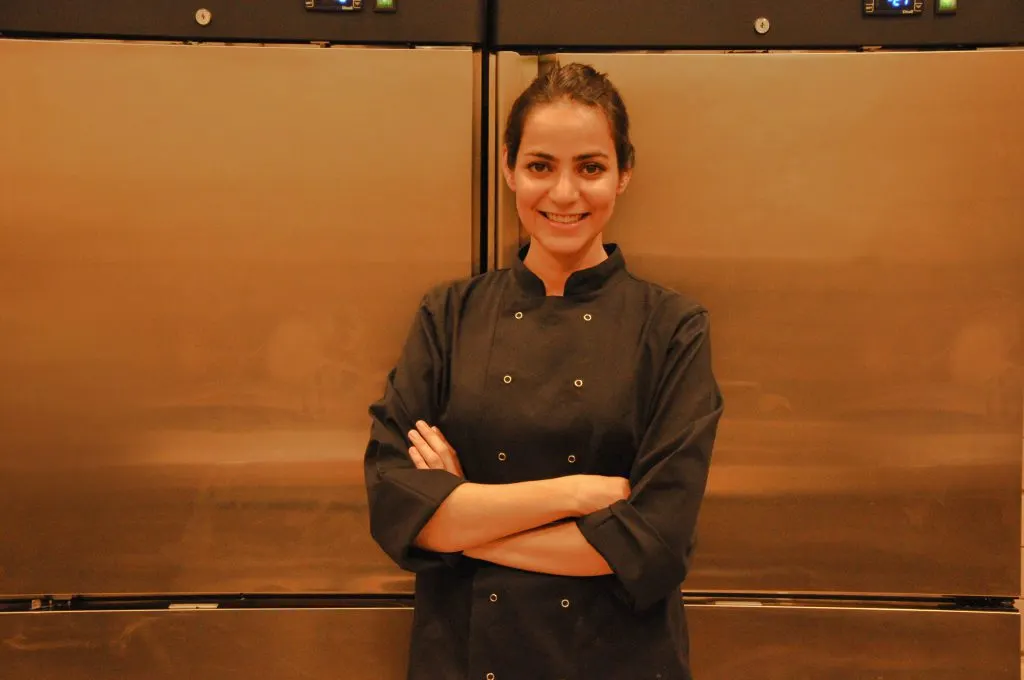
Sana Nair grew up feeding people, trained at Le Cordon Bleu, worked the kitchens at Yauatcha and The Leela, and eventually made a simple decision: if she was going to work endless hours anyway, they should be building something of her own.
Not every baker's story starts with a moment of discovery. Some start with a much older, quieter inheritance: a love of food passed down from a grandparent, absorbed so early that the person carrying it doesn't remember a single specific moment when it began. Sana Nair's story is one of those. By the time she was old enough to think seriously about a career, baking wasn't a new idea she'd stumbled into. It was simply the thing she'd always known she loved.
A Love of Food That Came From Her Grandfather
Sana has said plainly that she owes her love of food to her grandfather, whom she's described as a wonderful and versatile cook and baker in his own right. Growing up around that kind of cooking shaped something in her early life, a particular happiness that came specifically from feeding people, not just from eating well herself.
That instinct followed her into young adulthood in an unforced, low-stakes way. She baked for family and friends whenever the opportunity came up, and crucially, she took their feedback seriously not as casual compliments to brush off, but as real information about what was working and what wasn't. Somewhere in that ongoing, informal feedback loop, she realized she could only see herself doing something connected to food for a living.
A Business Degree, Then a Hard Pivot
Here's where Sana's path takes an interesting turn: she didn't go straight into culinary training. She finished business school first. At twenty years old, fresh out of that degree, she made the decision that would define the rest of her career she enrolled at Le Cordon Bleu in London to study cuisine and pâtisserie.
She's called it, without qualification, the best decision she ever made.
It's worth sitting with the shape of that choice for a second. A business degree gives you a fairly clear, conventional next step. Choosing instead to start over in a culinary school, in a different country, in a field with no guaranteed path to financial stability, takes a particular kind of conviction especially when you're twenty and could reasonably be expected to follow the safer route the business degree set up for you.
Learning the Industry From the Inside
After finishing her studies, Sana didn't go straight into building her own brand. She spent a few years working in professional kitchens first, including a stint as a pastry chef at Yauatcha Delhi, along with time at other restaurants and hotels, among them The Leela.
This part of her path matters more than it might seem at first glance. Professional kitchens are punishing in ways that home baking simply isn't: the hours are long, the pressure is constant, and the standards leave no room for "close enough." Sana has since pointed to this exact period as essential groundwork, the place where she learned to think on her feet, handle real pressure, and adapt quickly when something inevitably went wrong mid-service. It's advice she still gives to anyone asking how to start a baking career: get real, hands-on experience in a professional kitchen before attempting to go out on your own, because professional baking is far less easy than it looks from the outside.
 Delhi
DelhiThe Decision to Work for Herself
After a couple of years in those professional kitchens, Sana arrived at a simple, clarifying thought: if she was going to keep working tirelessly for endless hours regardless, she wanted those hours to be spent building something of her own, not someone else's brand.
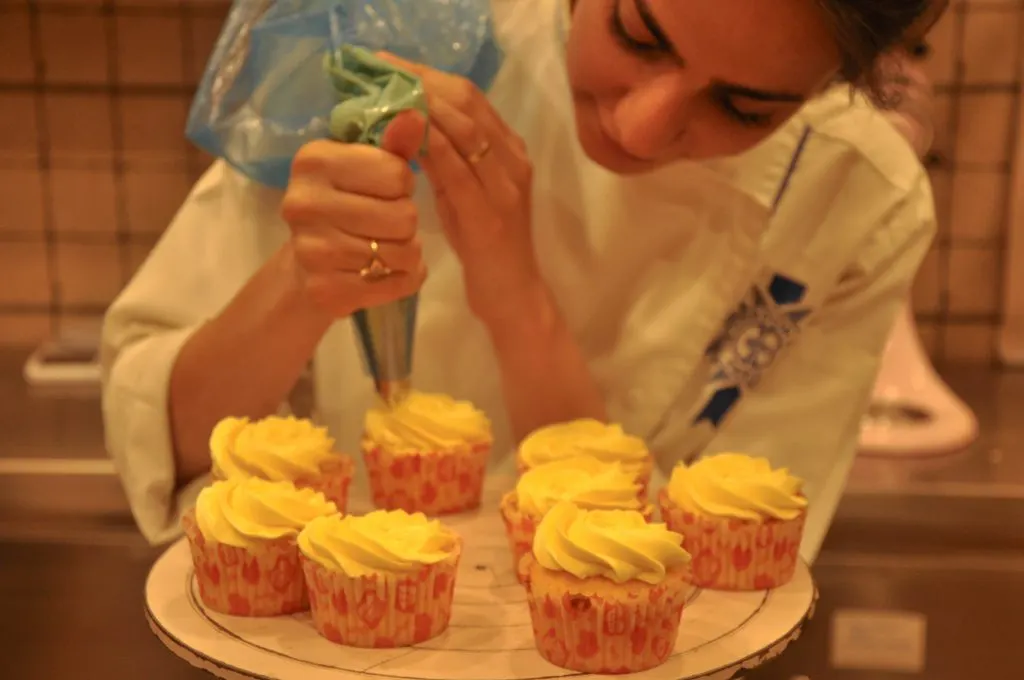
She also had a backlog of ideas and concepts that professional kitchens, with their existing menus and established identities, simply didn't have room for. The only way to actually explore them was to create a space where she had full creative freedom. That reasoning led directly to The Mellow Yellow Co., which she launched in December 2014, running it as a home-based patisserie out of her own kitchen in Delhi.
What "Honest Dessert" Actually Means
If you ask Sana to describe her food philosophy, it isn't built around spectacle. The Mellow Yellow Co. is explicitly focused on what she calls simple, honest dessert comfort food, essentially, made with the best and freshest ingredients she can source, without unnecessary complication standing between the ingredient and the final bite.
The menu reflects that philosophy directly: Nutella sea salt cookies, an apple cinnamon cake that's become a winter favourite among regulars, Baileys chocolate cake jars, raspberry brownies, dark chocolate fig truffles, lemon meringue treats, salted caramel brownies. Nothing on that list needs an explanation or a translated French name to be understood. It's dessert built to be immediately legible and immediately comforting which, given her account of where her love of food actually came from, tracks back neatly to a grandfather's home kitchen rather than a pastry textbook.
She's also been candid that her own personal craving, even years into running a celebrated patisserie of her own, is often for something deeply old-school and nostalgic rather than anything experimental, a detail that says a lot about how she thinks about dessert in general. The goal was never to impress with novelty. It was to make people feel something familiar and well cared for.
Building Slowly, On Her Own Terms
The Mellow Yellow Co. grew the way most genuine home-bakery success stories tend to grow steadily, through word of mouth, through wedding planners and repeat customers, rather than through any single explosive moment. Years after launch, the brand had built a loyal following in Delhi NCR specifically for custom cakes, dessert hampers, and baked goods for weddings, birthdays, and anniversaries, with customers consistently noting her attentiveness to detail and her ability to take a vague idea and turn it into exactly what they'd pictured.
That kind of reputation doesn't happen by accident. It happens because someone trained hard enough, in tough enough kitchens, to make the technical side look effortless by the time a customer ever places an order.
What the Story Actually Says
Strip away the menu and the years of operation, and what's left is a fairly clear throughline: a childhood love of feeding people, a business degree taken before the real decision was made, a deliberate choice to retrain from scratch at twenty, several hard years inside professional kitchens that most people glamorize but few actually choose to endure, and finally, a decision to take everything she'd learned and build something entirely on her own terms.
Sana Nair's advice to anyone hoping to follow a similar path is worth repeating exactly because it isn't inspirational fluff, it's practical, slightly unglamorous, and earned. Work in a real kitchen first. Learn to handle pressure from people who won't go easy on you. Only then decide if you're ready to do it for yourself.
That's not the kind of advice that makes for a dramatic origin story. It's the kind that actually works.
Story by
Sana Nair
Founder, The Mellow Yellow Co. · Delhi