Ninety-Nine Years on the Same Block
Wenger's has survived an empire ending, Partition, and every food trend Delhi has ever had. Nearly a century on, it still sells the same cream rolls and rum balls from the same Connaught Place address. This is how a bakery outlasts a century.
Most bakeries are lucky to survive a decade. Wenger's has survived an empire ending, a war for independence, the complete reinvention of the city around it, and the rise and fall of nearly every dining trend Delhi has ever had. It has done this from essentially the same address in Connaught Place since the early 1930s, selling, in large part, the same cream rolls and patties it always has.
That kind of continuity isn't an accident. It's the result of a series of decisions, some carefully, some forced, made by people who understood that a legacy is something you have to actively protect, generation after generation.
Built for the British Army, Before Connaught Place Even Existed
Wenger's story starts earlier than most people assume, and in a location most Delhiites today wouldn't recognize as its home. In 1924, a Swiss couple, Jeanne Sterchi Wenger and H.C. Wenger launched the business as a catering operation supplying British troops stationed in Delhi. Two years later, in 1926, they formalized it into a proper tea room and confectionery, opening it inside the Exchange Stores at Kashmere Gate at the time, the commercial heart of the old city, nowhere near the grand colonial avenue Wenger's would later become synonymous with.
This was, by most accounts, the first establishment in Delhi to introduce French bread, Swiss chocolates, and margarine-based pastries to a city that had never encountered them. Indian palates of the 1920s weren't yet familiar with cakes and pastries at all, and given the relatively high prices Wenger's charged for these imported European staples, its earliest clientele was overwhelmingly British.
Moving Into Connaught Place Before It Was Even Finished
Wenger's reputation evidently traveled fast, because as the British colonial government began building Connaught Place designed by architect Sir Robert Tor Russell as a grand, Royal Crescent-inspired commercial circle a portion of A-Block was reserved specifically to house Wenger's, even before construction was complete. The bakery officially moved into that space in the early 1930s, ahead of Connaught Place's full completion in 1933, and it's occupied essentially the same spot ever since.
In its earliest Connaught Place years, Wenger's wasn't just a bakery counter. It ran a full fine-dining restaurant with white-gloved service and live orchestras, a ballroom called La Mer, a café called Rendezvous, and a private party room known as the Green Room spread across two grand floors with twenty-foot ceilings and ornate columns. Local and foreign dignitaries booked tables for working meals throughout the week, with Sundays kept deliberately unofficial. For a stretch of years, Wenger's was less a bakery in the modern sense and more a full social institution central to how Delhi's elite gathered and ate.
Delhi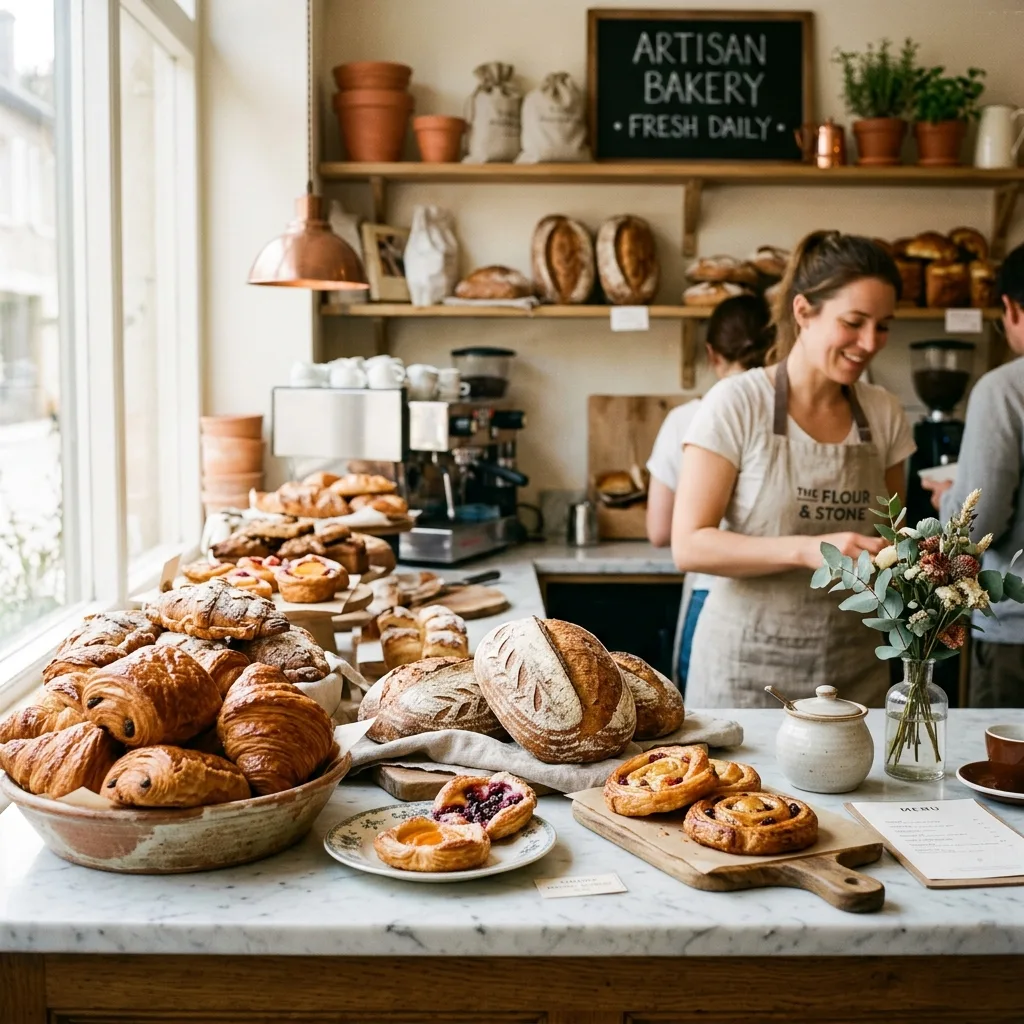
A Sale, Right Before Independence
In 1945, just two years before India's independence, the Wenger couple made a decision that would determine the business's entire future: they sold the bakery to B.M. Tandon, an employee who had worked his way up to general manager. The Wengers reportedly felt Tandon understood the operation well enough, and had earned enough trust, to be handed a legacy they themselves had built from nothing.
It's a quietly significant moment in the story of a European-founded institution, built initially to serve a colonial army, passing into Indian hands right at the moment the colonial era itself was ending. Wenger's didn't close when the British left, the way so many institutions built around that era's social order eventually did. It transferred ownership and kept going.
Shrinking to Survive
The decades immediately after independence weren't easy ones for Wenger's. As British residents left India in large numbers and Delhi's dining scene expanded and diversified around it, the grandeur that had defined Wenger's early years gradually lost its relevance. The sprawling ballroom that once hosted orchestras became expensive to maintain and increasingly impractical, given how the clientele and the city itself had changed. By the 1960s, Wenger's had made a deliberate strategic shift, scaling back the restaurant and ballroom operations and refocusing on its bakery counter and a growing catering business instead.
This is the part of the story that's easy to glance past but genuinely matters: surviving a century didn't mean staying exactly the same. It meant recognizing when the original model no longer fit the city around it, and being willing to shrink and refocus rather than cling to a version of the business that had already stopped working.
That catering pivot turned out to be a strong one. Over the following decades, Wenger's built relationships supplying baked goods and catering for some of Delhi's most significant institutions — embassies, the High Court, the Supreme Court, and the Government of India among them — alongside running outposts as far afield as Simla.
The Family That's Carried It Forward
Today, Wenger's is run by Atul Tandon, the grandson of B.M. Tandon, the very employee the Wenger couple entrusted the business to back in 1945. That's three generations of one family now responsible for a name that technically belongs to two Swiss founders who left the country before India was even fully independent and by most accounts, the Tandon family has treated that inheritance with real care, working to preserve original recipes and baking traditions rather than reinventing the brand to chase passing trends.
The bakery's long-serving staff reinforce that same continuity. Manager Charanjeet Singh, who has worked at Wenger's since 1965, has been a fixture there for roughly six decades himself a single employee's career nearly spanning the entire post-independence life of the business.
What's Stayed the Same
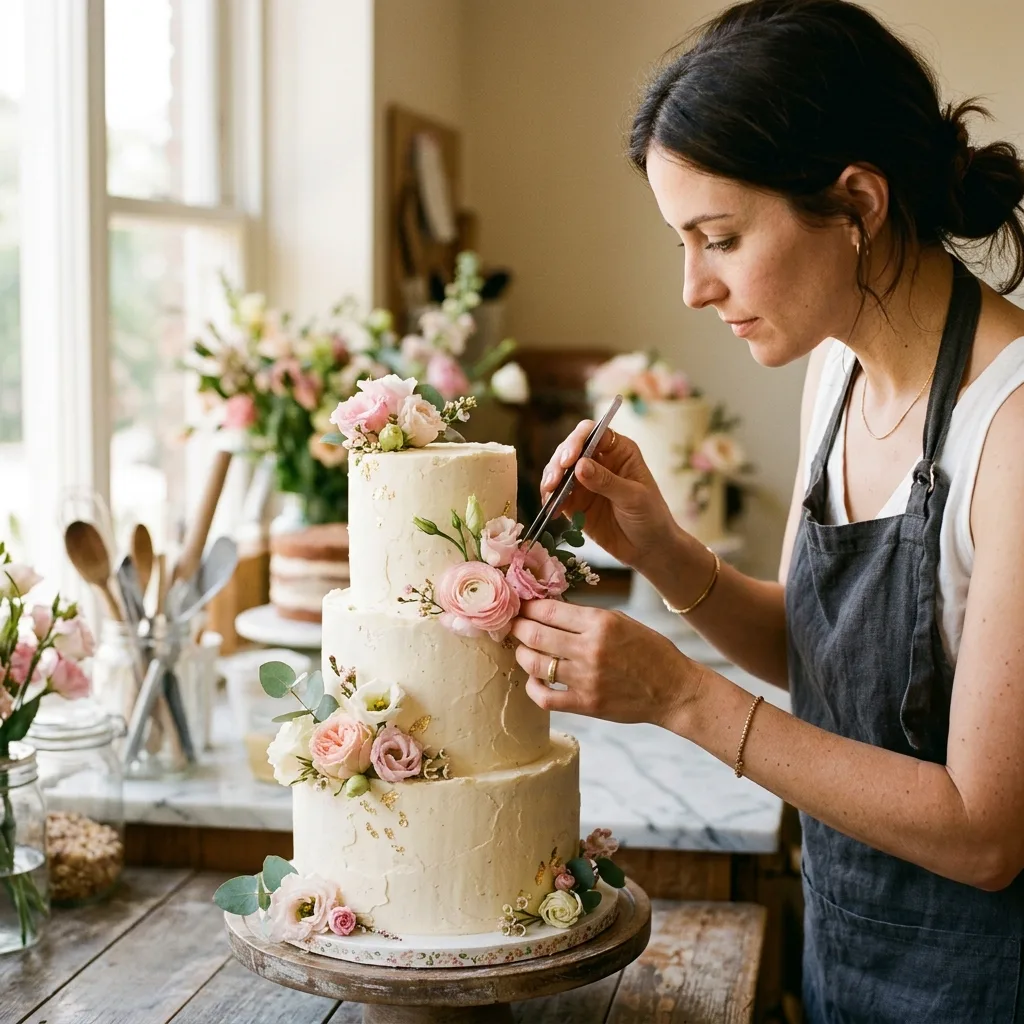
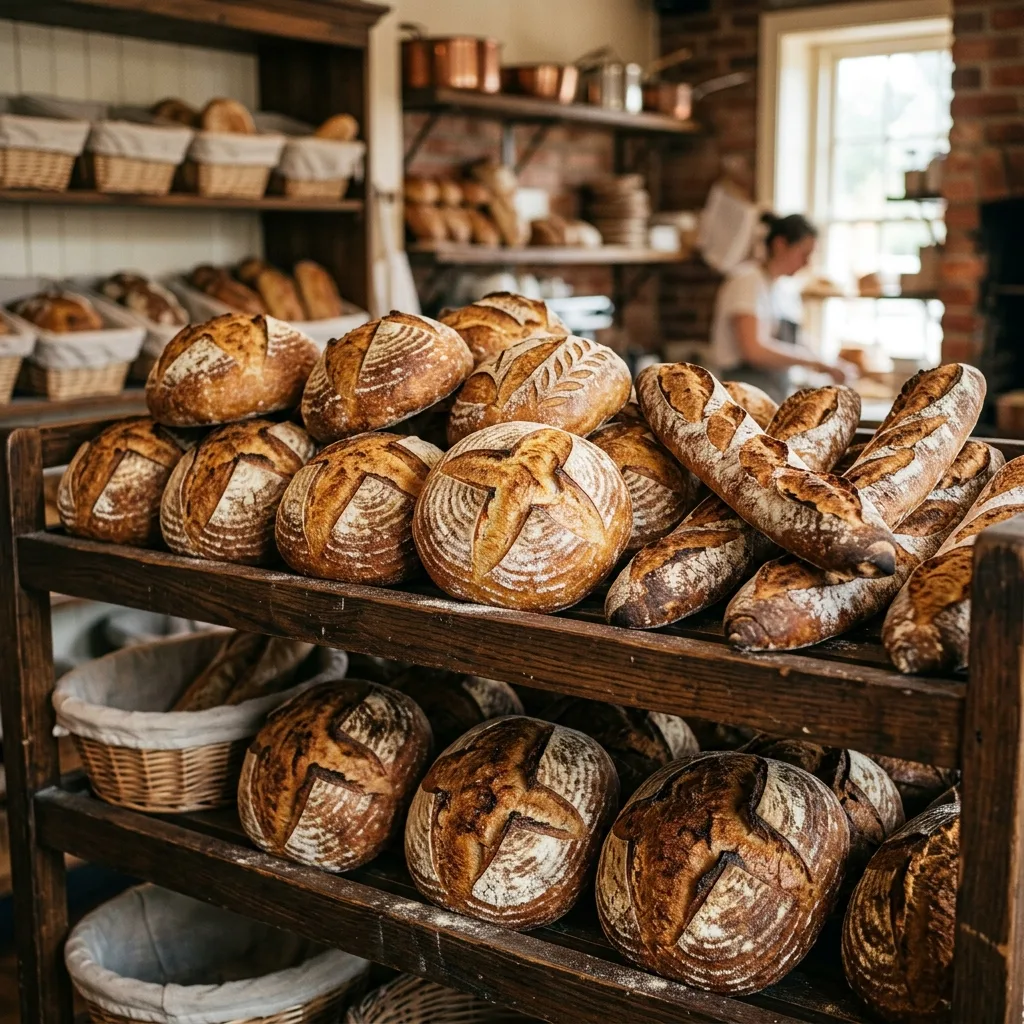
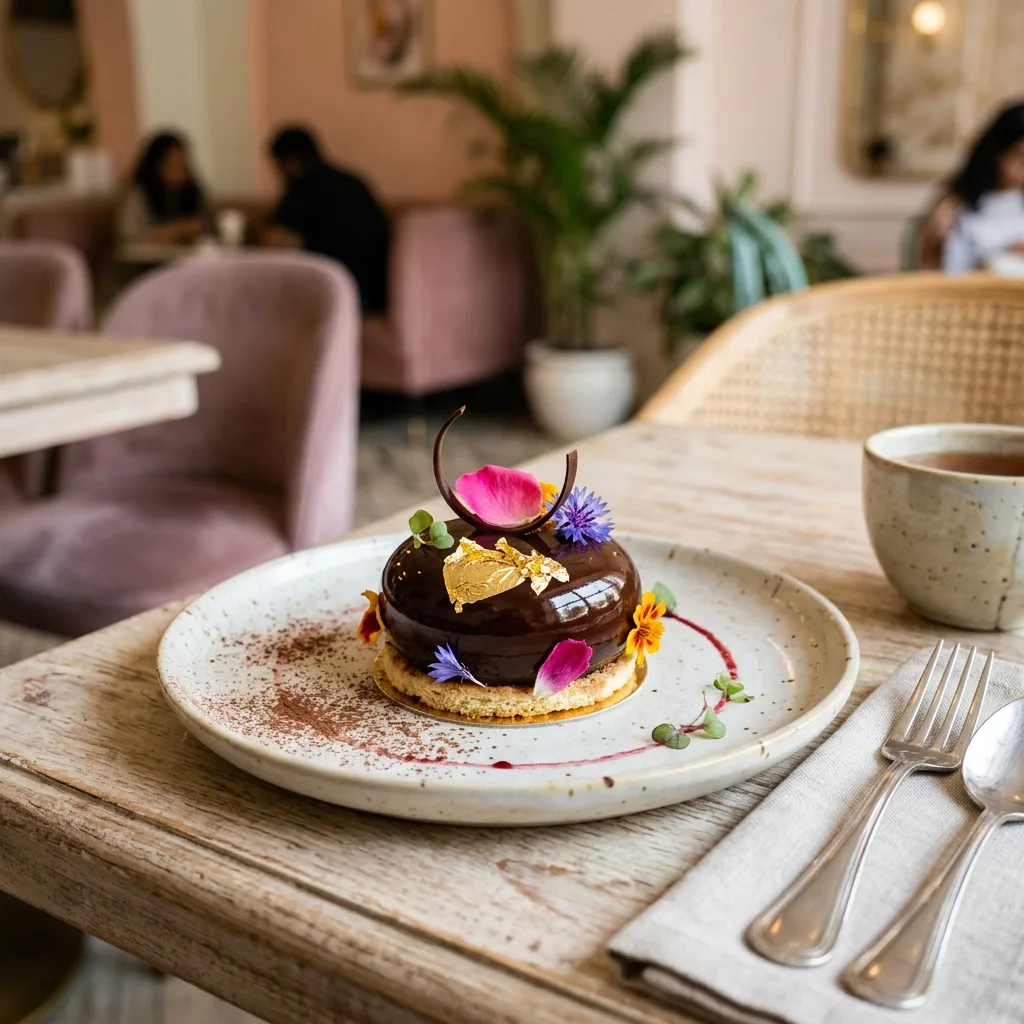
Walk into Wenger's today and the menu reads like a time capsule that somehow never went stale: cream rolls, chocolate and lemon tarts, chicken and mushroom patties, veg puffs, chocolate éclairs, pudding rolls, and chocolates wrapped in colourful foil, much of it priced more reasonably than the newer, flashier patisseries that have opened across Delhi in the decades since. Wenger's also lays claim to introducing Delhi to its first cold coffee and its first mutton patty, along with a rum ball that's become something of a local icon in its own right.
What makes the place feel different from a simple old bakery, though, is the layered nostalgia customers describe grandparents who used to visit as young adults now bringing grandchildren in for the exact same cream rolls, three generations of one family connected by the same shelf of pastries. That's not something a new bakery, however good, can manufacture. It has to be earned slowly, one loyal customer's lifetime at a time.
Why This Story Matters
Wenger's isn't a story about a single visionary founder or a dramatic rags-to-riches arc. It's a story about institutional survival — about a business built initially to serve an army that no longer exists, in a building designed for a city under foreign rule, that somehow figured out how to matter to an entirely different city, under entirely different ownership, nearly a century later.
It survived by selling at the right moment to the right person. It survived by shrinking when grandeur stopped making sense. And it's survived, decade after decade, by trusting that some things — a properly made cream roll, a patty with the right filling, a shop that doesn't try to be something it doesn't actually need reinventing.
Nearly a hundred years after a Swiss couple opened a tea room for British troops at Kashmere Gate, Wenger's is still standing in Connaught Place, still selling the same rum balls, still run by the family who was trusted to keep it going. In a city that changes as fast as Delhi does, that kind of permanence has become its own kind of achievement.
Story by
Atul Tandon
Third-generation Owner, Wenger's · Connaught Place, Delhi